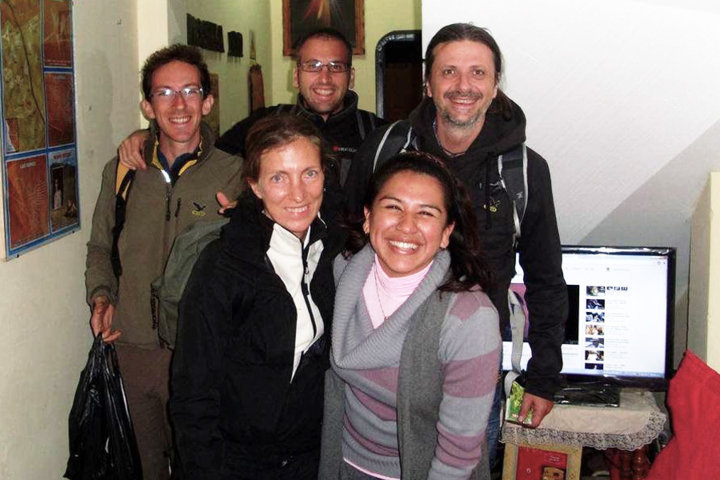
Welcome to your home away from home! Pirwa Backpacker's Hostel in Nazca prides itself on providing a cheerful and friendly atmosphere at budget prices. Our centrally- located cheap hostel is just 3 blocks away from Nazca's Main Square, so you'll be within walking distance from the city's museums, markets, restaurants, cafes, and clubs. We're just 5 minutes from the bus terminal and 10 minutes from the airport, so we´d be pleased to pick you up!
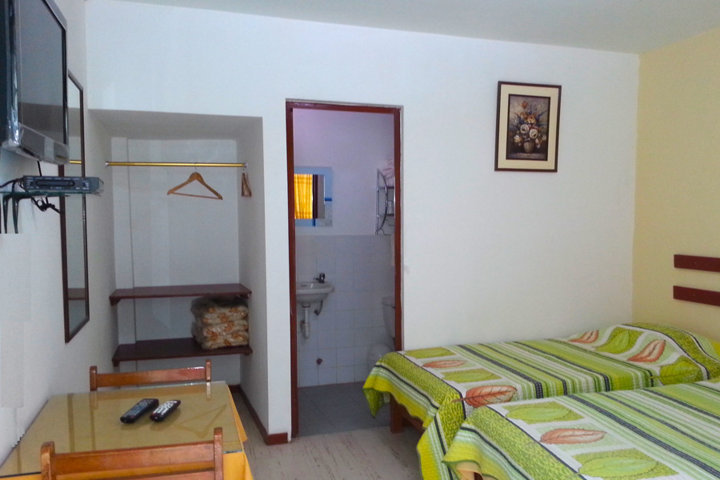
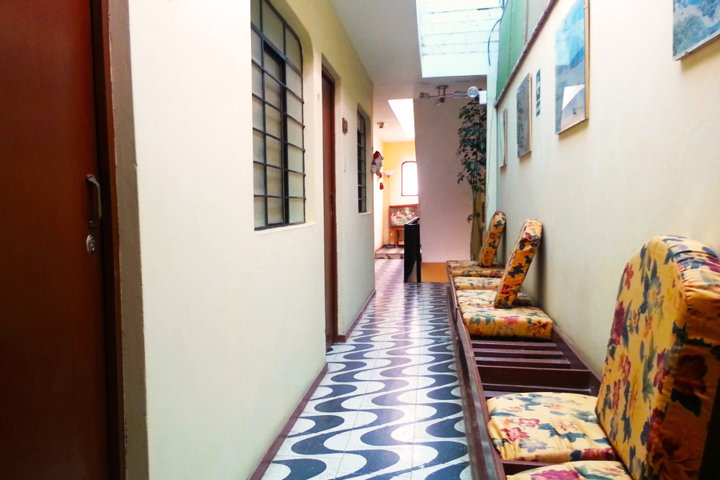
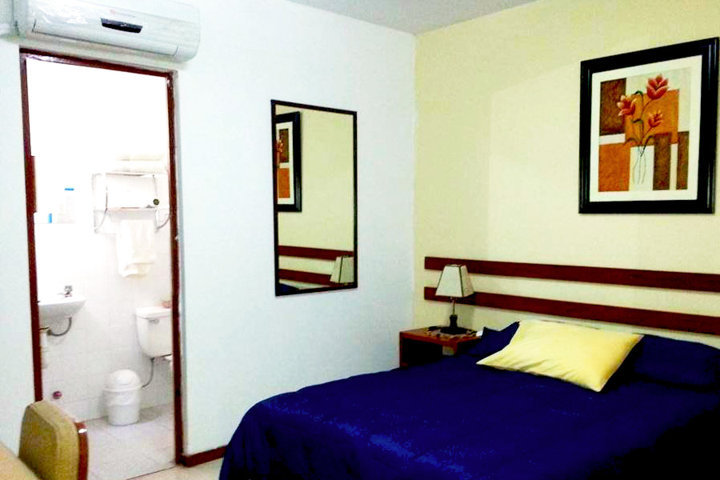
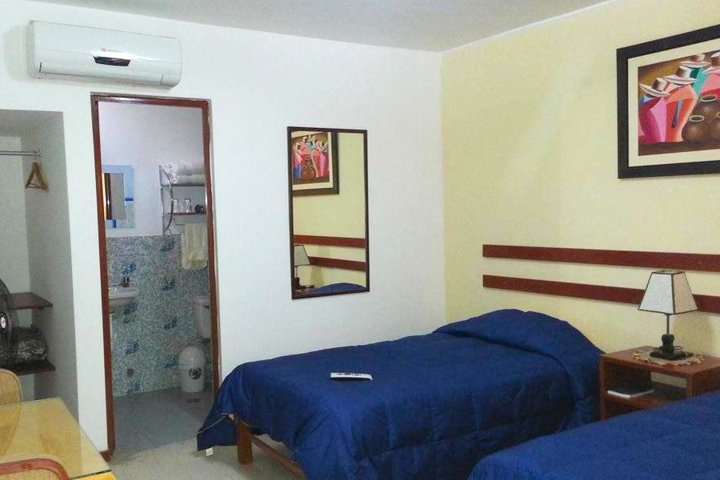
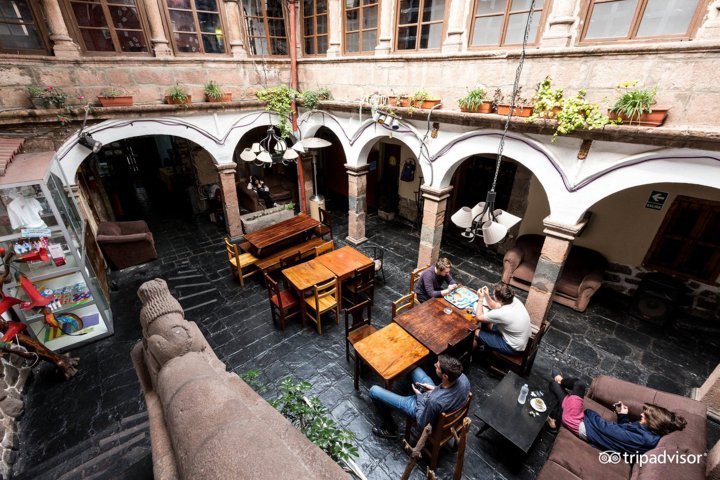
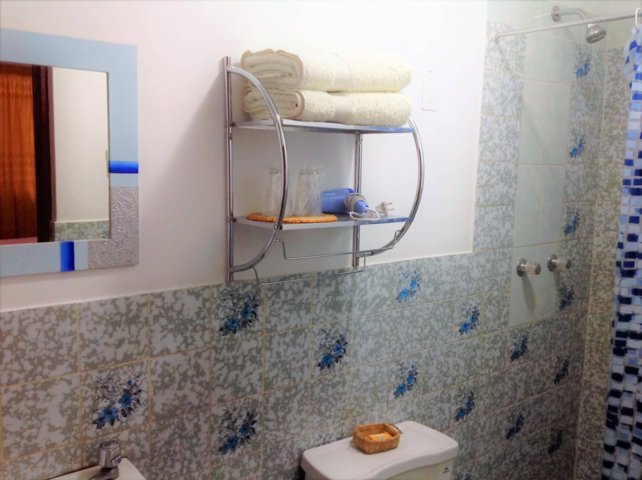
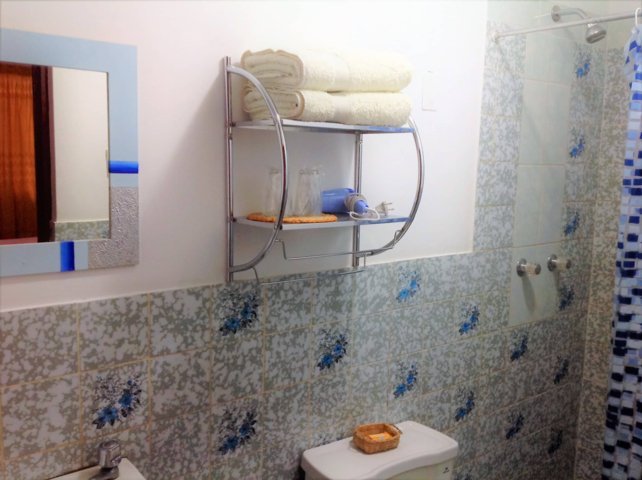
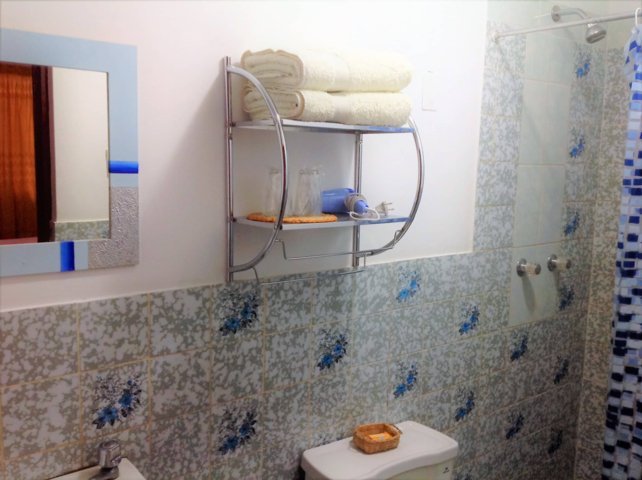
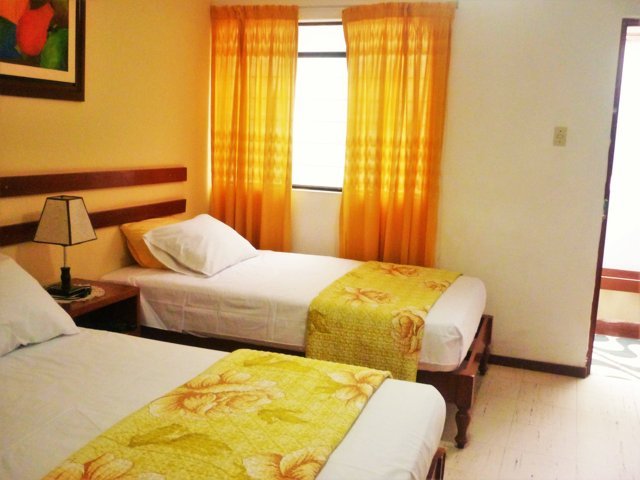
Once you arrive, you'll notice that there are plenty of common areas in which to relax and socialize with other travelers. Take advantage of Nazca's sunny climate to relax in the hammocks in the courtyard or throw a barbecue, watch some TV in the lounge while trading travel stories with your new friends, or attempt some local cooking in the communal kitchen. At Pirwa, we make it as easy as possible for you to meet new people along your travels. There´s also free wi-fi for those wishing to connect with their families. When you´re ready to retire, all rooms come complete with comfortable beds, private bathrooms, hot water, and cable TV.
After enjoying a continental breakfast with fruits, natural juices, and pastries you'll be ready to experience all that Nazca has to offer: Pre-Inca archeological sites thousands of years old such as the aqueducts of Cantayoc and the pyramids of Cahuachi, the mysterious world-famous Nazca lines, sandboarding along some of the world's largest dunes, the mummies of Chauchillas, and a stunning desert oasis 10 minutes outside of town. Pirwa has its own travel agency with an information counter in each of its locals around Peru, so there will always be someone knowledgeable on hand to provide you with tourist information or assistance. At Pirwa Backpacker's Hostel there's 24 hour reception so guests can come and go as they please, or leave luggage behind during longer tours, without any security concerns.
If you're looking for a clean and hospitable cheap accommodation in Nazca, this cozy and bright budget hostel is the perfect choice for you! With locations all over Peru, it's never been easier to stick with the brand you know and trust.
| Room's Types | Rates | |
|---|---|---|
| Private Double Ensuite One bed for two people with private bathroom |
Rates X Room
S./90.00 - (Aprox. $33.50)
|
|
| Private Twin Ensuite Two beds with private bathroom |
Rates X Room
S./90.00 - (Aprox. $33.50)
|
|
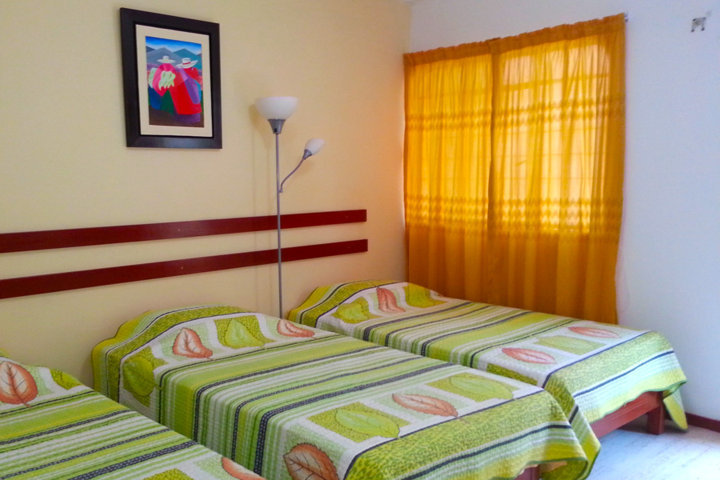
| Private Triple Ensuite Three beds with private bathroom |
Rates X Room
S./125.00 - (Aprox. $46.00)
|
|
| Dorm x 6 Beds Ensuite A room for 6 people with private bathroom |
Rates X Room
S./30.00 - (Aprox. $11.00)
|
|
|
BOOK NOW with credit card BOOK NOW by email Free charge BOOK NOW by Facebook 10% discount |
||
|
These rates are per day, in Peruvian Nuevos Soles (S/.) |
||

This is part of the Peruvian Institute of Astronomy. It offers year-round a show projected on the dome Maia Reiche's theory that the Nazca Lines comprise the world's largest celestial calendar and teaching about pre-columbian cultures of the area through their relationship with the universe: their constellations, myths, and enigmatic constructions. After the show, if weather permits, the audience can go outside to put their newfound knowledge of Andean astronomical beliefs to the test.

The Nazca Lines continue to captivate travelers. Covering miles of the desert floor in geometric shapes and pictures of animals and people, they can only be appreciated by flying over them. The construction method and purpose of these huge geoglyphs is still unknown- the most popular theories conclude that they were the world's largest astronomical calendar designed to correlate with celestial movements, please the gods, and remind them of the need to provide for the crops and harvests.

The home of this tireless researcher who for more than 40 years studied and protected the Nazca lines is now a small museum where you can see the clutter of her tools, obsessive sketches, photos, models, and writings, and pay your respects at her tomb. Learn about the life and work of a woman who dedicated herself to protecting these lines (sweeping away debris with her broom, hiring a night watchman to guard the desert, blocking plans to irrigate the desert) and striving to unlock their message.

The Nazca built a remarkable system of subterranean aqueducts thousands of years ago to combat droughts. Many underground channels survived seismic activity and are still in use by locals, extracting subsurface water in an irrigation system unique in Peru and the world. At Cantayoc you´ll find the best- preserved of these. No one can even be sure of the channels´ extent, as they are too dangerous to enter and explore- rather, we can only estimate their length through distances covered by manholes.