You don't need to feel lost in Peru's second-most populous city, which has a population of almost a million just let the friendly staff of our hostel in Arequipa make you feel at home and introduce you to the wonders of the White City! While you're here, be sure to take some time to admire the ornate facades of volcanic white sillar colonial era monuments in the historical center, which was named a UNESCO World Heritage Site in 2000, and the Inca terraces of the countryside. Arequipa is a city surrounded by volcanoes, gorges, dunes, fertile valleys, desert and snow-capped peaks, so you'll have more than enough natural beauty to explore. Tackle the symbol of the Arequipa people and culture, El Misti Volcano, for a humbling look into its crater, or grab an ice pick and scale snowy Chacani. From Arequipa it's a quick trip to the world's deepest canyon, Cotahuasi, or Colca Canyon, home to the world's largest bird of flight, the endangered Andean Condor. After your treks, relax in the serene Santa Catalina Cloistered Convent or ride horses in pastoral Sabandia alongside its stately mill and picturesque waterfall.
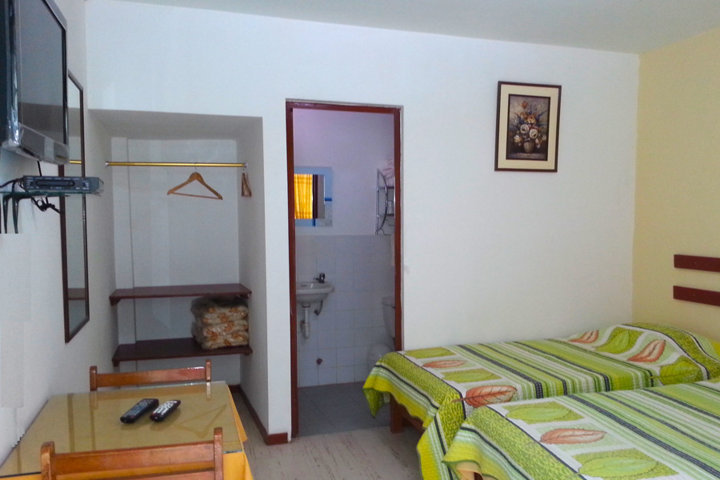
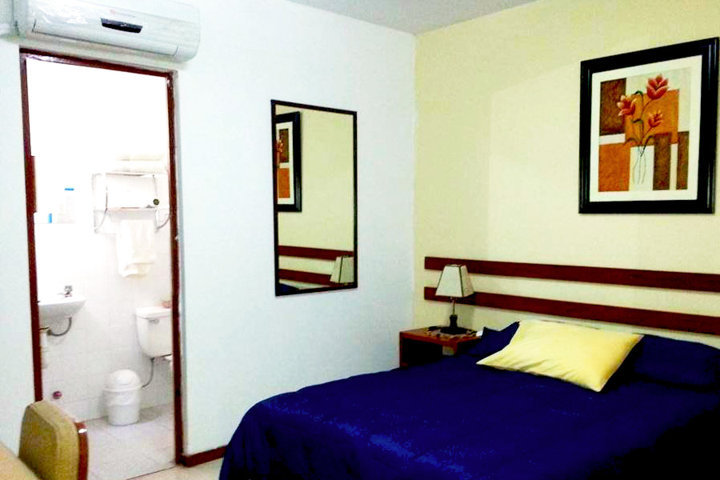
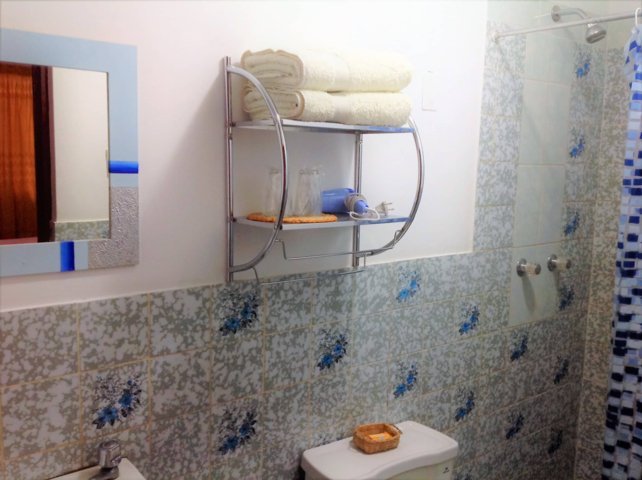
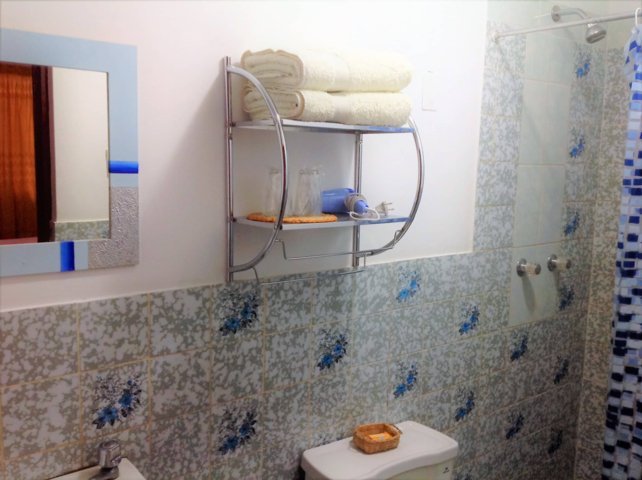
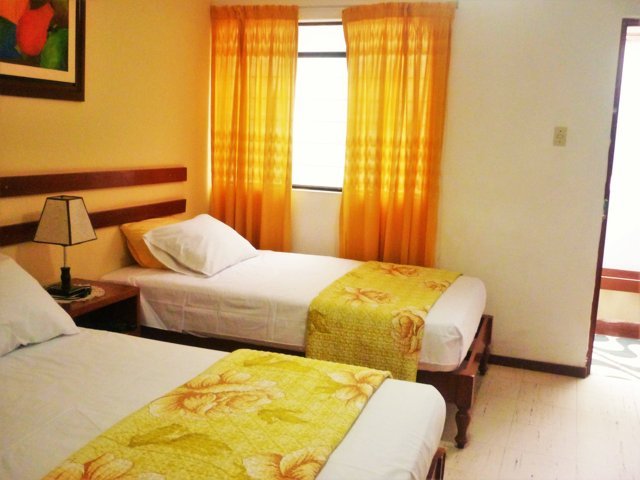
After your adventures Pirwa Park Hostel in Arequipa will be there to provide comfortable and cheap accommodations with excellent service. Enjoy Arequipa's constant sunshine relaxing on our rooftop terrace in view of imposing El Misti Volcano. At the end of an exciting day, you'll be happy to be retiring to a hot shower and a comfortable bed in one of our hostels in Arequipa, in the shadow of El Misti!
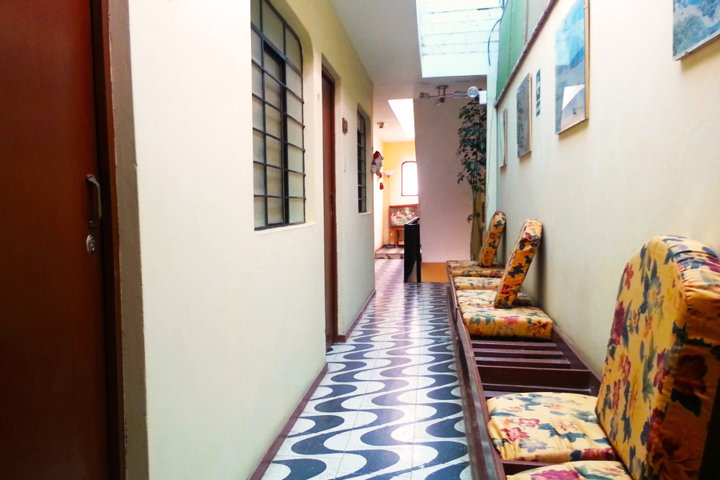
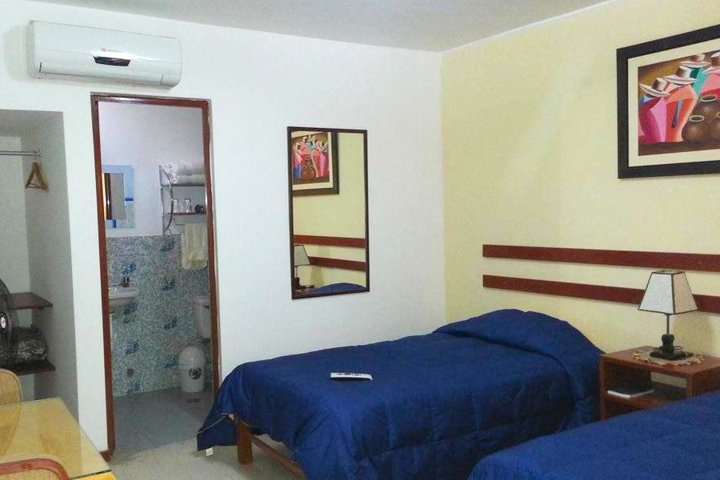
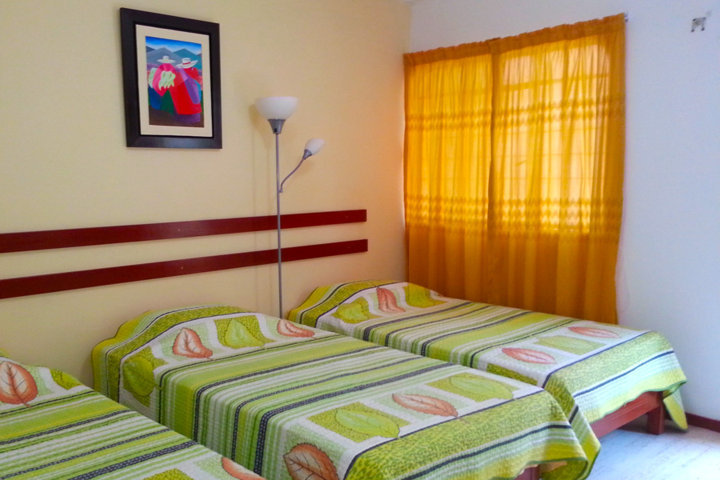
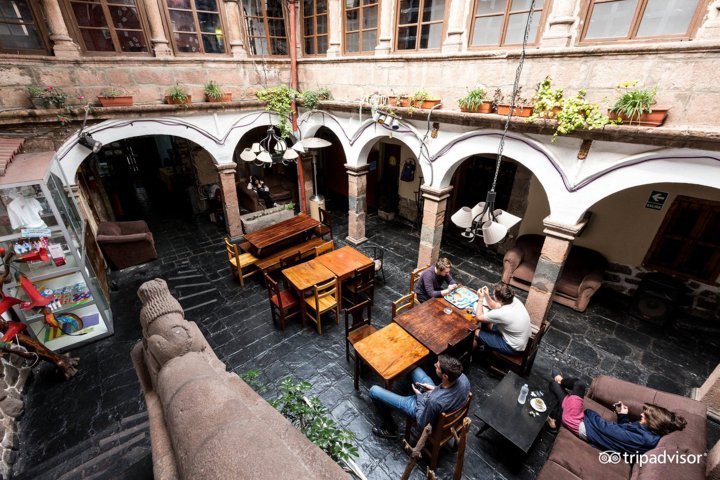
After your adventures Pirwa Hostel or B&B will be there to provide cheap budget accommodation with great service and value. Enjoy Arequipa's warm dry climate relaxing in a hammock in one of our courtyards or engaging with other guests in one of the lounges. At the end of an exciting day, you'll be happy to be retiring to a hot shower and a comfortable bed in one of our hostels in Arequipa, in the shadow of El Misti!

Arequipa´s Bolivar Bridge, also known as the Bridge of Iron, and San Camilo Market were both designed by Gustavo Eiffel in the 19th century. The Frenchmen would later go on to achieve fame for in his home country for the iconic Eiffel tower. Bolívar Bridge was designed for railroad traffic and shipped over in parts from Europe and assembled in Arequipa, where it is used for cars, buses and trucks. San Camilo, only a couple blocks from the Main Square, is Arequipa´s main market.

This 16th century mestizo-baroque church in Arequipa's Historical Center fuses indigenous American elements and pre-Columbian mythological characters with European motifs in one of South America´s premier masterpieces of colonial architecture. The white volcanic rock façade is intricately carved in low relief, almost as if the church were covered by a stone tapestry. Inside you can see carved wooden altars covered in gold-leaf, colorful murals Bernardo Bitti's masterpiece Virgin and Child.

The historical center of Arequipa, known as the White City due to its famous buildings of pearl-like sillar rock from the city's surrounding volcanoes, was declared a UNESCO World Heritage site in 2000. The architecture of its colonial monuments integrates European and native building techniques and ornamentation in a style that has come to be known as mestizo-baroque. Make sure to stop by and witness how light plays off the intricately carved façades with European and pre-Columbian designs.

The Majes River Valley is an attractive fertile oasis of straw and adobe homes, rice paddies, vineyards, and orchards tucked away in the middle of the coastal desert between the Pacific Ocean and Andean foothills. The area is well-known for its freshwater shrimp, Piscos, dinosaur tracks, and a reputation for witchcraft localized in village of Huancarqui; here people accept food and drink with the left hand to avoid curses, and the love-sick flock to ask for spells and curses.